Indian Osteogenesis Imperfecta Foundation
How Osteogenesis Imperfecta (Brittle Bone Disease) affects the spine, the early signs to watch for, everyday care tips and the treatment options available.
If you or your child lives with Osteogenesis Imperfecta (OI), you already know that bones can break far more easily than they should. What many families don’t realise at first is that the spine is affected too. The good news is that with regular checks, a few everyday habits and the right care team, a lot can be done to protect it.
This guide walks you through how the spine works, what can change in OI, the warning signs to look out for, how to care for the spine day to day, and the treatments available.
What is Osteogenesis Imperfecta?
Osteogenesis Imperfecta, often called Brittle Bone Disease, is a genetic condition in which the body makes too little or poorly formed type I collagen. Collagen is the protein that gives bone its strength, so when it is faulty, bones break easily. The bones of the spine are no exception.
How the spine works
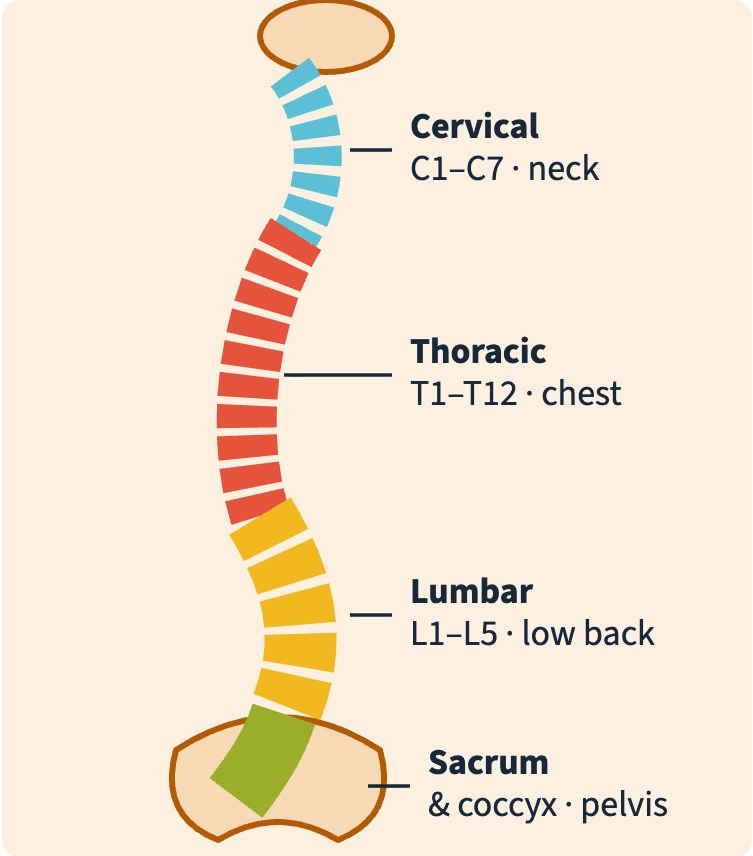
The spine is a stack of 33 bones called vertebrae, cushioned by discs. It holds the body upright, protects the spinal cord and nerves, lets you bend and twist, and supports the ribs that protect the heart and lungs. It has four main regions:
• Cervical (C1–C7): the neck
• Thoracic (T1–T12): the chest
• Lumbar (L1–L5): the low back
• Sacrum and coccyx: the pelvis
Why OI affects the spine
In OI, the collagen is faulty, so vertebral bone is thinner and softer. Everyday forces such as sitting, standing and growing can squash the vertebrae. Ligaments may also be loose, so the spine bends out of shape more easily. Curves can progress as a child grows and may continue into adult life.
Good to know: not everyone with OI develops spine problems. Regular checks help find changes early.
Spine problems that can occur in OI
1. Vertebral compression
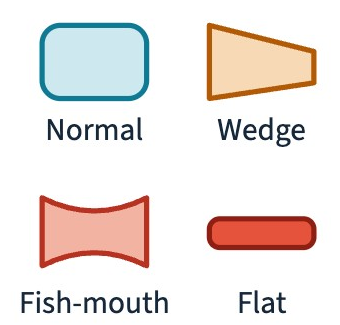
Soft vertebrae can be squashed by body weight into wedge, fish-mouth or flat shapes. This can happen with little pain, so a loss of height may be the first clue.
2. Scoliosis
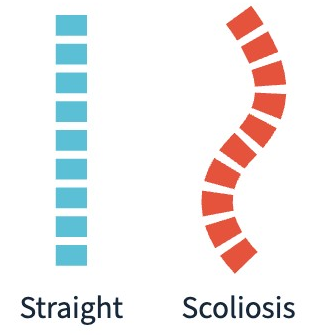
The spine curves sideways, like a C or an S. In OI, curves can keep growing even after growth ends, and may tilt the shoulders and pelvis.
3. Kyphosis
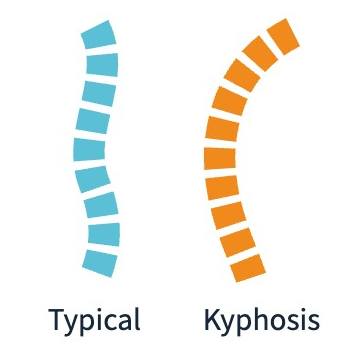
The upper back rounds forward, causing a hump and a shorter trunk. It often follows compressed vertebrae and can crowd the chest.
4. Vertebral slip (spondylolisthesis)
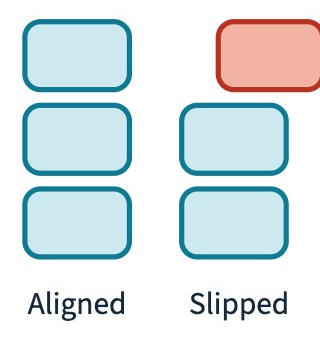
One vertebra slides forward over the one below. Loose ligaments make this more likely, and it can cause low back pain.
5. Skull base and neck changes
In some people with moderate or severe OI, the top of the neck pushes up into the base of the skull. This is called basilar invagination. Tell your doctor about headache, neck pain, trouble swallowing, dizziness or weakness.
Early signs to watch for
Spine changes in OI can be gradual and quiet. Keep an eye out for:
• Height or sitting height dropping
• New back or neck pain
• One shoulder or hip looking higher than the other
• Clothes hanging unevenly
• A rib hump when bending forward
• Tiredness or breathlessness
Looking after your spine every day
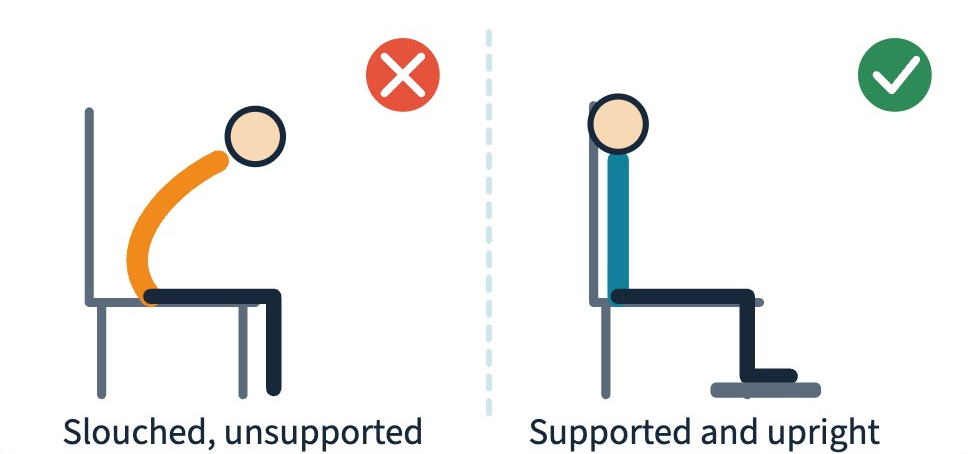
Daily habits matter as much as medicines and surgery. Small changes in how you sit, lift, move and eat protect fragile vertebrae and help stop curves from getting worse. Share these tips with family, school and carers.
Sitting and posture
• Choose seating with firm trunk and foot support, with hips, knees and ankles near right angles.
• Change position often and avoid long periods of slouching or lying flat.
• Use a firm mattress and a supportive pillow, and ask your therapist about positioning aids.
• Keep the school bag light (about 10% of body weight or less), close to the back and on both shoulders, or use a wheeled bag.
Safe lifting and handling
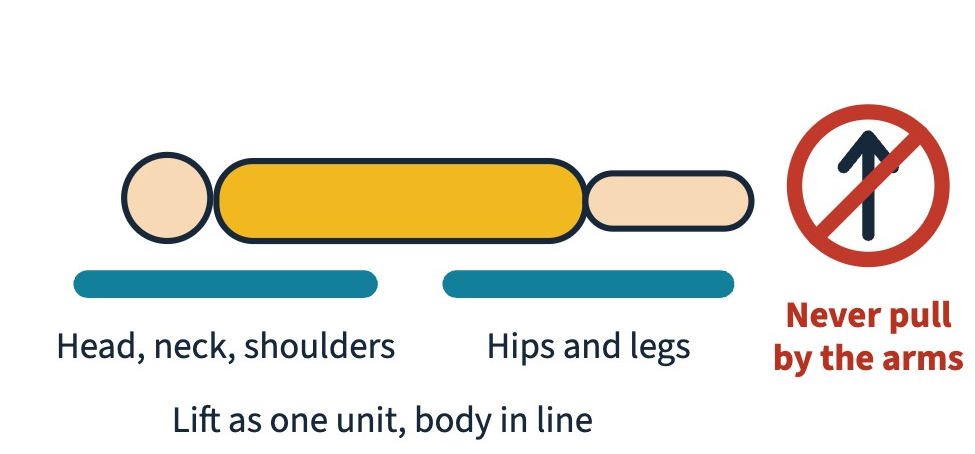
• Slide one hand under the head and shoulders and the other under the hips and legs, then lift as one unit with the body in line.
• Never pull by the arms or legs, or lift under the armpits alone. Avoid twisting the trunk.
• Lift slowly, with a helper if possible, and let the child hold on and help.
• Ask your physiotherapist to teach safe handling, bathing and dressing, and about hoists.
Lifestyle habits for stronger bones
Keep moving. Swimming and hydrotherapy are excellent options. Walking, adapted cycling and gentle stretching keep muscles strong. Avoid contact sports, trampolines and heavy lifting.
Eat for bone. Include calcium-rich foods every day, such as milk, curd, paneer, ragi, sesame and green leafy vegetables. Get enough protein and keep a healthy weight.
Get your vitamin D. Safe sunlight helps the body make vitamin D. Take vitamin D or calcium supplements only in the doses your doctor advises.
Stay safe at home and on the move. Clear floors, non-slip mats, grab rails and good lighting help prevent falls. Use seat belts and ask your team about safe travel.
What to expect at every clinic visit
• Height and sitting height measured and recorded
• Back, shoulders, ribs and hips examined
• Spine X-ray when your team advises, and an MRI if there are nerve symptoms
• Breathing checked if the chest or spine is curved
Feelings, school and support
Living with OI can be hard on body image and confidence. Talk to your care team about any worries, and consider counselling. Meeting other families through IOIF can help too. At school, ask for suitable seating, lift access, extra time, and relief from heavy bags and contact games.
Treatment options for the spine in OI
Treatment is planned by a team of specialists and depends on age, bone strength, the size and speed of any curve, and symptoms. Most people need more than one kind of care. A typical pathway looks like this:
• Assess: examination, height and sitting height, spine X-ray, and MRI if needed.
• Protect: bone-strengthening medicines, safe posture and protected activity.
• Strengthen: physiotherapy and hydrotherapy to build core strength and fitness.
• Correct if needed: surgery for curves that keep growing, cause pain or press on nerves.
Medical treatment
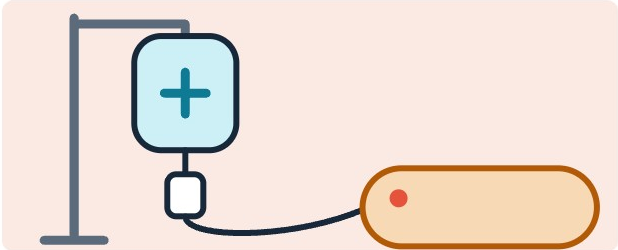
Medicines aim to strengthen bone and ease pain.
• Bisphosphonates (pamidronate, zoledronate) are given by drip in cycles. They raise bone density and reduce pain, and can help the vertebrae of growing children regain shape.
• Vitamin D and calcium levels are checked and corrected.
• Pain relief is prescribed by your doctor.
• Newer medicines are being studied, so ask your specialist.
Surgical treatment
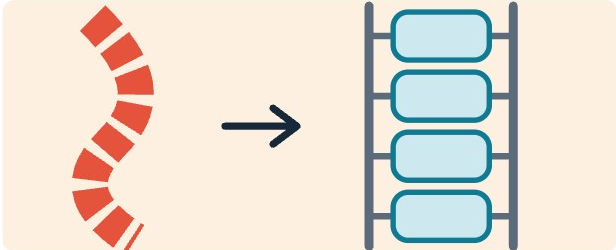
Surgery is considered when curves keep growing, cause pain or press on nerves.
• Spinal fusion joins vertebrae with rods and screws to stop the curve from growing. Bone cement can strengthen screw grip in soft bone.
• Growth-friendly rods let young children keep growing.
• Skull-base surgery relieves pressure on the brainstem.
• OI surgery needs a team experienced with fragile bones and careful anaesthesia.
Rehabilitation
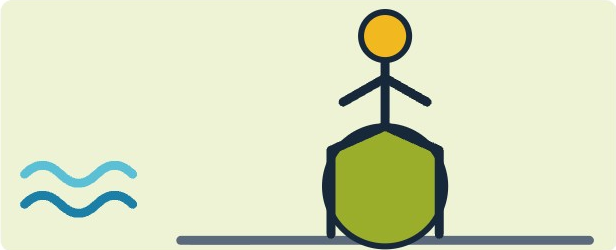
Rehabilitation keeps the body strong and moving, both before and after surgery.
• Physiotherapy: core and back strengthening, breathing exercises and posture training.
• Hydrotherapy: gentle exercise in warm water.
• Occupational therapy: seating, wheelchair set-up, and changes at school and home.
• Braces can support sitting but usually do not stop OI curves, so use them only as advised.
When to get medical help straight away
Seek urgent medical care if you notice any of the following:
• New weakness or numbness in the legs
• Loss of bladder or bowel control
• Sudden severe back pain after a fall
• Severe headache with neck pain, vomiting or trouble swallowing
• Difficulty breathing
Questions to ask your doctor
• Has my spine changed since the last visit?
• How often should I have an X-ray or MRI?
• Which treatment is right for me, and what are the risks?
• Which exercises and activities are safe for me?
The takeaway
A diagnosis of OI doesn’t mean spine problems are inevitable. Regular check-ups, safe posture and handling, bone-friendly habits, and a specialist team together give the spine its best chance to stay strong.
For more information and to connect with other families, visit the Indian Osteogenesis Imperfecta Foundation at indianoifoundation.org.
This article is general information only. It does not replace advice from your treating team.